


Learn how seasonal allergies, screen time, lighting, and air quality affect your eyes, and what you can do to protect your vision at work and home.

September is Suicide Prevention Month. Learn what to watch for, how to start a hard conversation, and where to turn for help. Support matters more than perfect wording.

Thinking about a wheelchair or mobility scooter? Learn what Medicare covers under Part B, what your doctor must document first, and how to avoid a denied claim.

Buying insurance online is fast, but a licensed agent can help you compare carriers, understand the fine print, and advocate for you at claim time.

Outdated beneficiaries can send your life insurance money to the wrong person. Learn the common risks and how to keep your policy current.

Every fall, Medicare Advantage and Part D plans mail an Annual Notice of Change. Learn what it means for your costs, coverage, and doctors next year.

Your permanent life insurance policy can build cash value, provide tax-friendly income, and offer easy access to funds while you're still alive. Here's how.
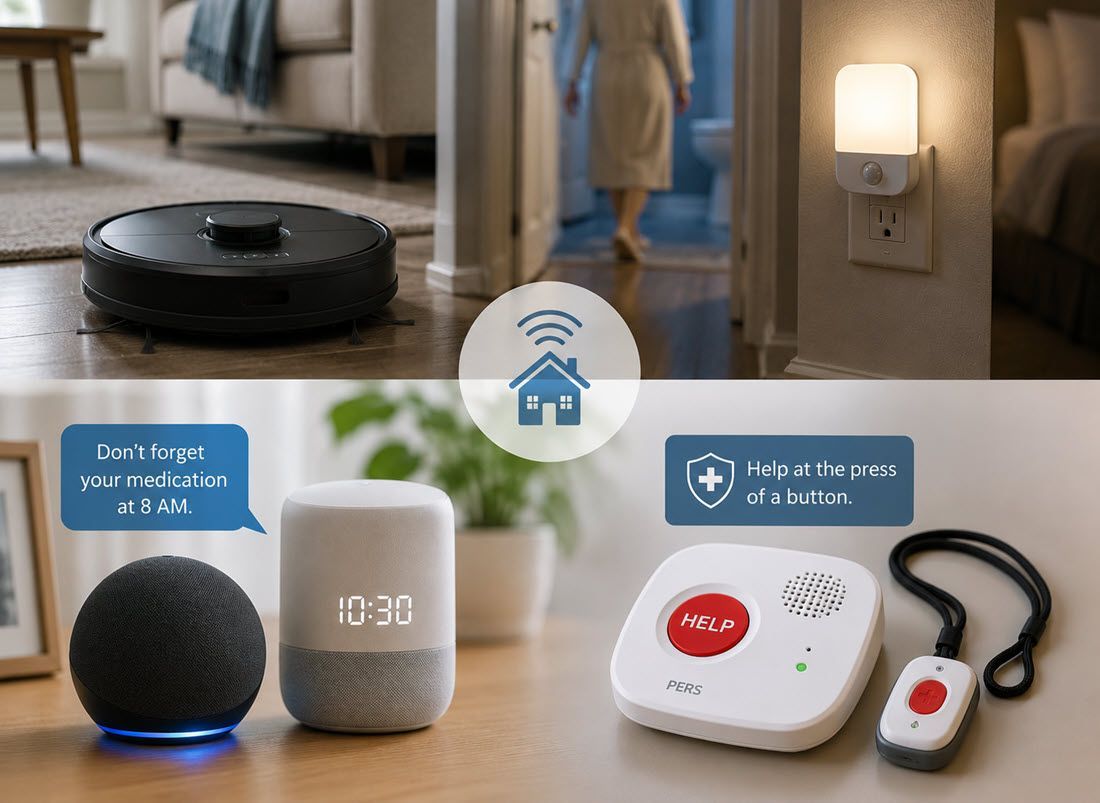
See how smart lighting, robot vacuums, stove shut-offs, medication reminders, and fall monitors can help seniors at home, plus what Medicare and Medigap do and do not cover.

Learn what Medicare covers for skin cancer screenings, dermatologist visits, biopsies, and treatment, plus tips for prevention and early detection.

Learn simple Fourth of July safety tips to help prevent injuries, fires, and accidents while enjoying fireworks and holiday celebrations.