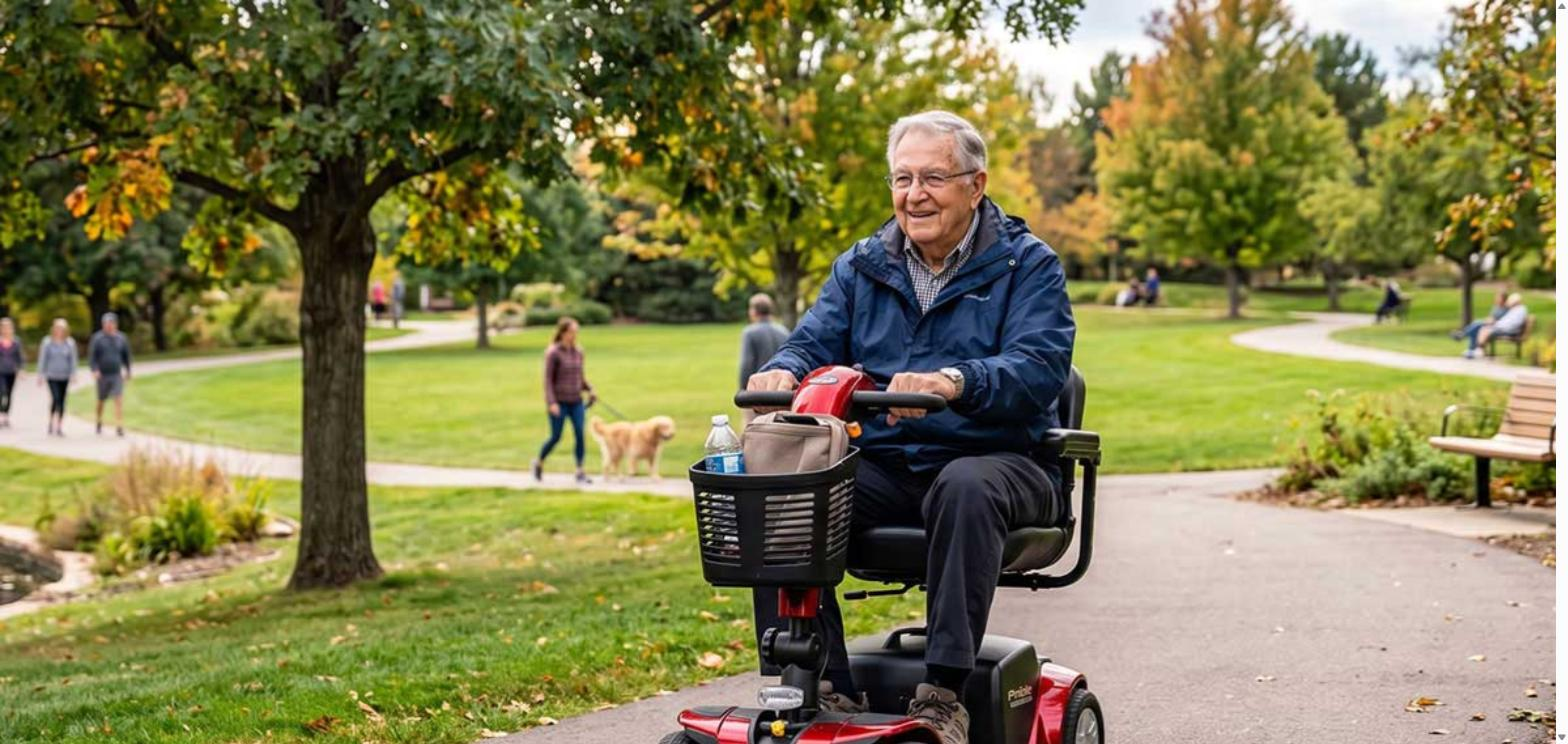
Dementia and Alzheimer’s are terms people often use interchangeably — but they’re not exactly the same.
Dementia is a broad category describing symptoms like memory loss, confusion, and difficulties with thinking or reasoning that interfere with everyday life.
Alzheimer’s disease is the most common cause of dementia, and it involves specific changes in the brain that gradually worsen over time. Most people’s risk increases with age, but research shows many factors that influence risk are
modifiable — meaning we can take action throughout life to help keep our brains healthier, longer.
Evidence from health authorities and scientific research suggests that a variety of lifestyle and health habits can help lower your risk — regardless of your age. Below are the seven important lifestyle choices supported by latest medical guidance to maintain brain health and reduce your chances of developing dementia or Alzheimer’s.
7 Strategies for Brain Health
#1 Stay Physically Active
Physical activity is one of the most consistently recommended ways to support brain health. Exercise improves blood flow, supports heart health (which is closely linked to brain health), reduces inflammation, and may help slow cognitive decline over time. Even moderate exercise — like brisk walking, cycling, or dancing — done regularly can make a difference.
Tips to Get Moving:
- Aim for
150+ minutes of moderate‑intensity activity per week
- Include strength training (like resistance bands or light weights) at least twice weekly
- Break up sitting time with short activity breaks
#2 Eat for Brain Health
While no specific food can “prevent” dementia, healthy eating patterns are linked to better cognitive outcomes. Diets rich in fruits, vegetables, whole grains, lean proteins, and healthy fats — such as the
Mediterranean or
MIND diets — are associated with lower risk of cognitive decline and Alzheimer’s.
Ways to Nourish Your Brain:
- Load up on leafy greens, berries, nuts, and fish
- Choose olive oil over saturated fats
- Limit highly processed foods, excess sugar, and refined carbohydrates
#3 Manage Cardiovascular and Metabolic Health
Conditions like
high blood pressure,
diabetes, and
high cholesterol are linked to increased dementia risk — not just heart disease risk. Controlling these through lifestyle and medical care supports both your brain and body.
Key Actions:
- Get regular screenings for blood pressure and blood sugar
- Follow medical guidance for managing chronic conditions
- Maintain a healthy weight
#4 Keep Your Mind & Senses Engaged
Mental challenges and social connections help build and sustain “cognitive reserve,” which refers to the brain’s resilience against age‑related changes. Staying socially active and mentally engaged is linked to lower risk of cognitive decline.
Brain‑Boosting Habits:
- Read books, learn a language, or explore new hobbies
- Play games that challenge memory and reasoning
- Stay socially connected with friends, family, and community
#5 Address Vision & Hearing Loss
Uncorrected vision or hearing loss can lead to social isolation and reduced cognitive stimulation. Research shows that people who use hearing aids or correct vision loss may experience slower cognitive decline.
#6 Avoid Tobacco & Minimize Alcohol
Smoking damages blood vessels, increases inflammation, and interferes with healthy brain aging — but quitting can significantly reduce risk, even later in life. Alcohol use has also been shown to harm brain health, including short-term memory and cognition.
#7 Prioritize Sleep
Quality sleep supports memory, mood, and overall brain function. Poor sleep patterns and untreated sleep disorders, like sleep apnea, are associated with higher dementia risk. Aim for consistent, restful nights and talk with a healthcare provider if you struggle with sleep.
Final Thoughts
There is no guaranteed way to prevent dementia or Alzheimer’s — age, genetics, and family history play a role. However, lifestyle choices throughout your life can help support brain health. Sustained changes in how you move, eat, think, and engage with the world can meaningfully lower your risk and improve your overall well‑being.
If you’re concerned about dementia or Alzheimer’s risk for yourself or someone you love, consult a healthcare provider with any specific concerns.